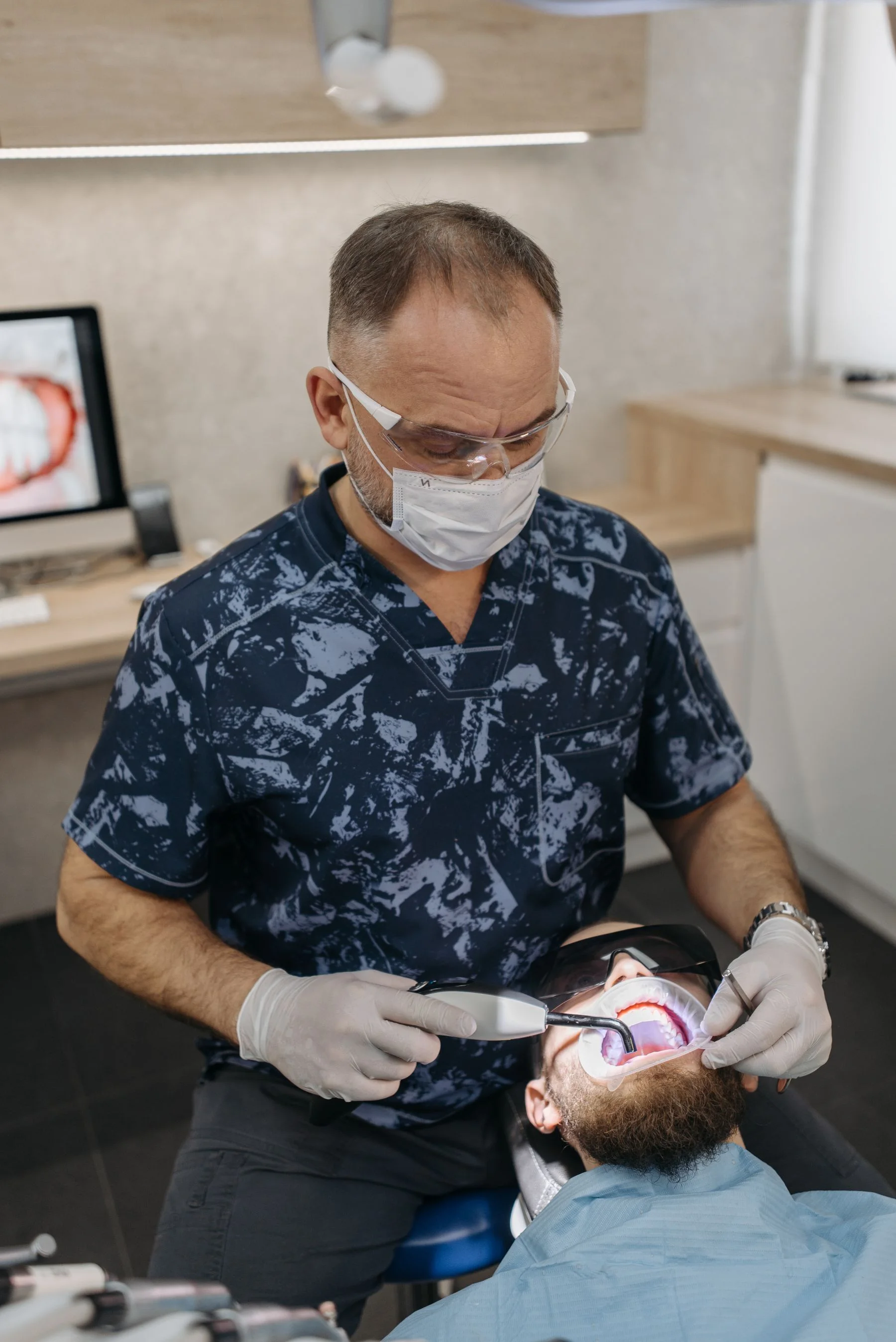
Pain and trauma create understandable urgency. A useful website should help people recognize life-threatening warning signs, avoid harmful improvisation, and reach appropriate professional care—not diagnose them.

Call 911 for life-threatening warning signs
Trouble breathing, uncontrolled bleeding, major facial trauma, altered consciousness, or rapidly worsening symptoms may require emergency medical care. Do not wait for an online response.
Some dental injuries are time-sensitive
A knocked-out or displaced tooth, significant trauma, severe swelling, or uncontrolled dental pain deserves prompt professional guidance. Timing can affect available options.
Questions worth asking
- What findings support this recommendation?
- What reasonable alternatives should I understand?
- Which parts of timing, cost, or outcome remain uncertain?
- Who should I contact if circumstances change?
Avoid DIY treatment
Do not place aspirin or caustic substances against the gums. Do not attempt complex repositioning or use unapproved glue. Use only general first-aid measures advised by qualified sources.
Symptoms do not reveal the cause online
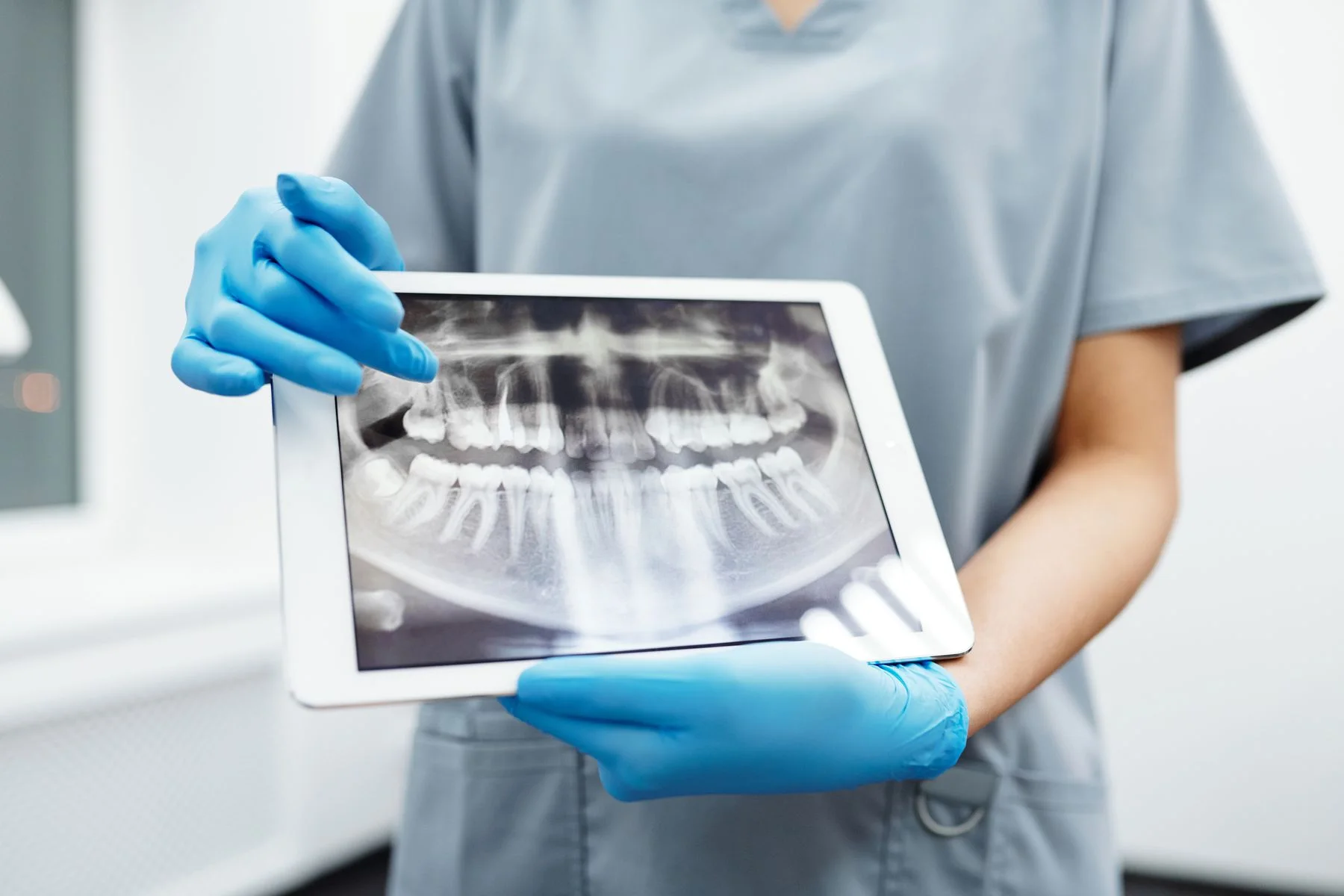
Similar pain can come from different conditions. Diagnosis may require an examination and appropriate imaging. An assistant can route and educate, but it cannot determine treatment.
After urgent care, solve the underlying problem
Temporary relief is not always definitive care. Follow-up may be needed to address infection, restore a tooth, monitor trauma, or prevent recurrence.